
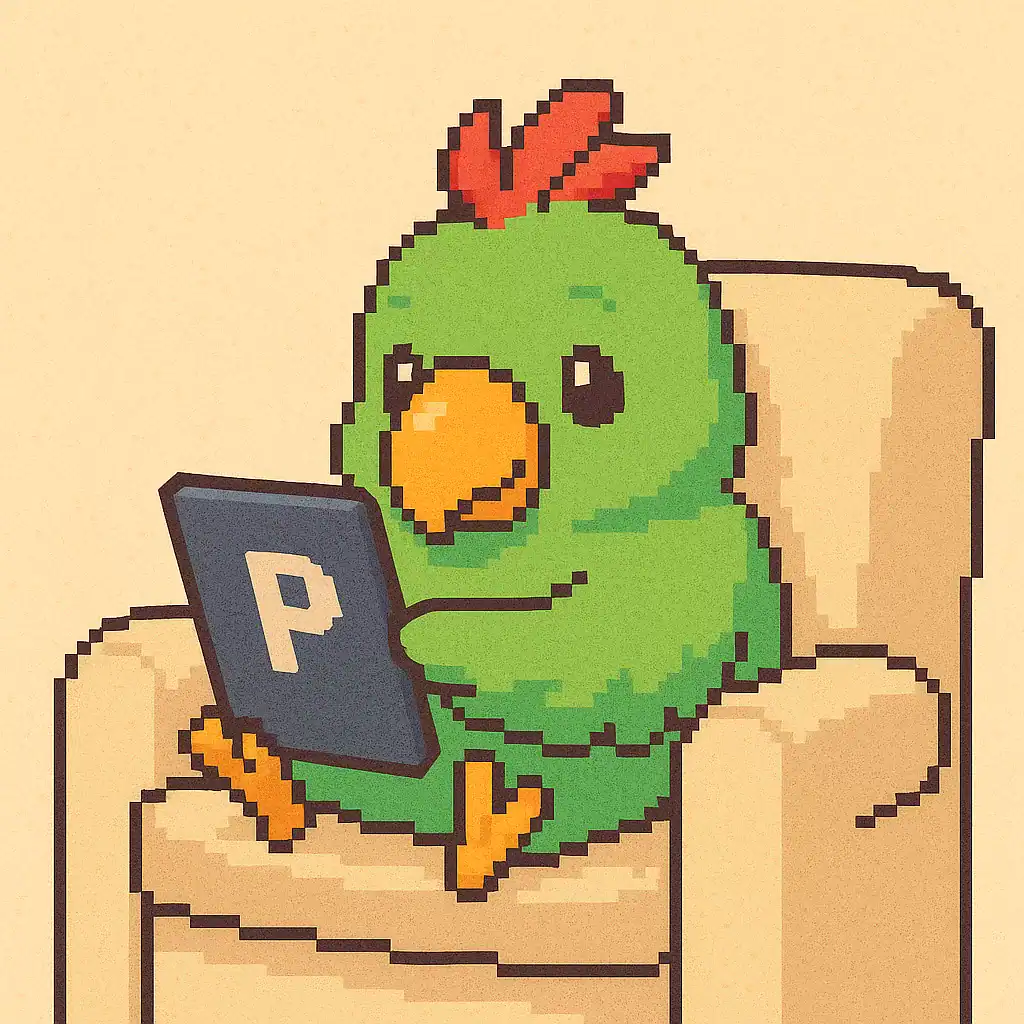
Games are not just fun. They are powerful tools for learning. When designed with purpose, educational games can turn lessons into experiences and help children connect knowledge with curiosity. At Papagaio, we believe that learning should feel like an adventure that grows with every level you complete.
Why Games Help Kids Learn
Children learn best when they are engaged. Games create this engagement naturally by combining challenges, rewards, and exploration. Every time a child solves a puzzle, completes a quest, or earns a badge, the brain releases dopamine. This small burst of joy reinforces memory and motivation.
Educational games also provide instant feedback. Instead of waiting for grades, kids see their progress immediately, which builds confidence and keeps them curious about what comes next.
The Cognitive and Emotional Benefits of Play
Learning through play develops both logic and empathy. Strategy games improve problem solving and decision making. Word and language games strengthen memory and vocabulary. Cooperative games teach communication and teamwork.
Play also helps children manage emotions. Losing a round teaches resilience. Winning encourages self-expression. Over time, games build the same emotional balance that supports learning in real-life situations.
Examples of Educational Games That Work
Many modern games already blend fun with education.
Minecraft Education Edition allows kids to explore creativity, math, and coding while building entire worlds.
Kahoot! transforms classroom quizzes into fast, friendly competitions.
Papagaio brings language learning into a playful universe where each interaction with characters helps children understand and use new words naturally.
Each of these examples shares one goal: to make learning active, immersive, and personal.
How Gamification Shapes the Future of Education
Gamification is more than adding points or badges to lessons. It is about creating a sense of journey and purpose. When students feel that every challenge brings them closer to mastering a skill, learning stops being a task and becomes part of who they are.
For teachers and parents, gamified systems also provide valuable data. They show how children progress, what they struggle with, and which activities inspire the most engagement. This allows for more adaptive, personalized learning experiences.
Final Thoughts: Turning Learning into Adventure
Educational games for children show that curiosity is the most powerful learning tool of all. When we let kids play, imagine, and explore, education becomes something they look forward to every day.
At Papagaio, we build on this idea. Our mission is to make learning languages feel like discovering new worlds. Because when learning is fun, knowledge sticks for life.