
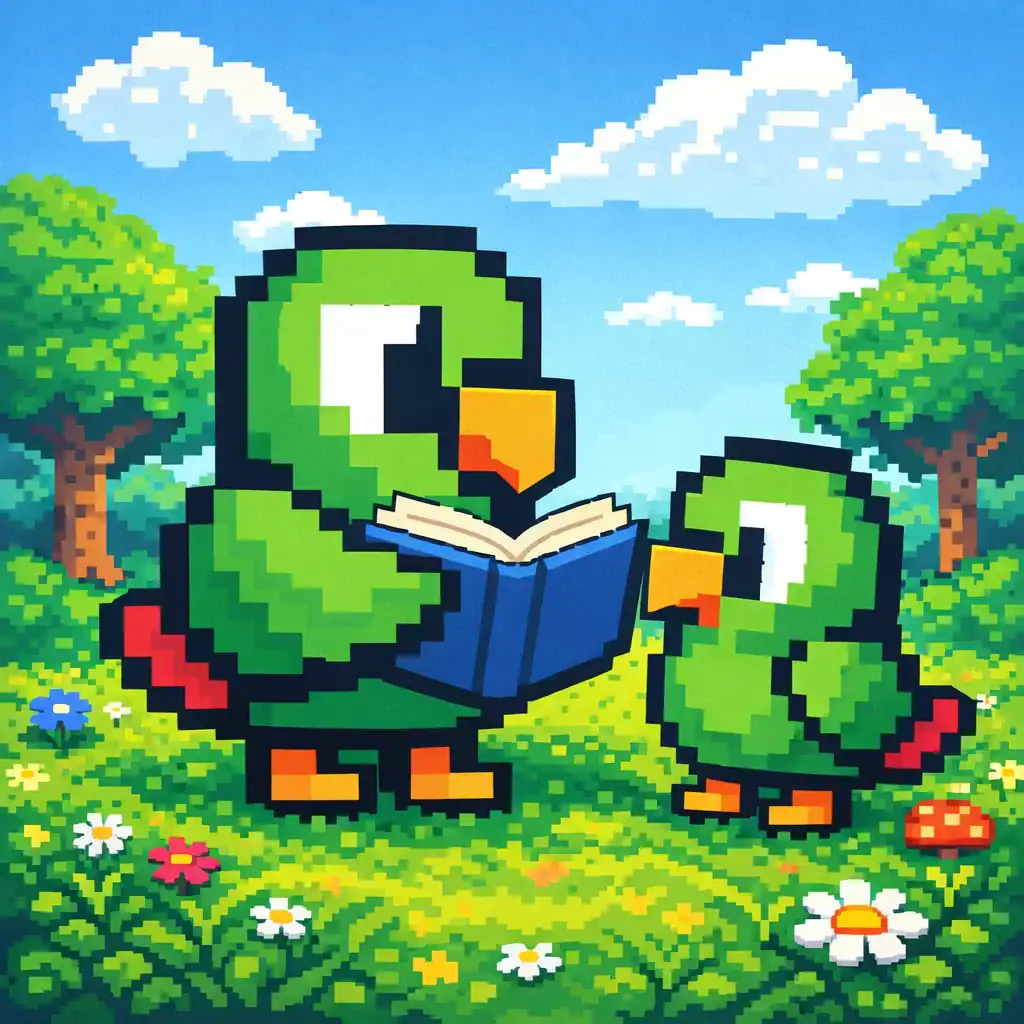
Heritage Portuguese is more than learning words. It is about keeping family bonds, cultural identity and everyday connection alive across generations, especially for children growing up outside a Portuguese-speaking environment.
Quick navigation
For many families, Portuguese is the language of home, affection and memory. Children may hear it from parents or grandparents, but without regular practice, they often begin to understand more than they speak.
That is why heritage language learning matters. It helps children keep a meaningful connection with their roots while building confidence in communication.
According to Wikipedia’s overview of heritage language, a heritage language is a language learned at home that is different from the dominant language of the society around the speaker.
What heritage Portuguese means
Heritage Portuguese refers to Portuguese learned through family, home life and cultural exposure rather than through full immersion in a Portuguese-speaking country.
For many children, this means hearing the language at home but using another language more often at school, with friends or in daily public life.
This kind of learning is deeply connected to identity. Language carries family expressions, emotional meaning, traditions and stories that are difficult to replace in translation.
It also supports intergenerational connection. Children who develop Portuguese can communicate more naturally with relatives and engage more fully with family culture.
Language and identity are closely linked, as discussed in this explanation of cultural identity, which helps explain why maintaining a family language can be so meaningful.
How families can support it at home
The goal is not perfection. The goal is consistent and positive exposure.
Simple routines can make a big difference. Reading stories, naming objects around the house, singing songs and using short everyday phrases all help children build familiarity.
Emotional connection is also important. Children are more likely to keep using a language when it feels warm, playful and tied to meaningful moments.
Structured support helps families go further. While home exposure is powerful, guided lessons can help children expand vocabulary, improve confidence and use the language more actively.
How to start learning today
If you want your child to strengthen heritage Portuguese in a fun and engaging way, combining home practice with structured learning is one of the best approaches.
At Papagaio School, children can build Portuguese through playful activities, guided practice and lessons designed to feel natural and motivating.
This helps families turn passive exposure into real language development while keeping the experience light and meaningful.
FAQ
What is heritage Portuguese?
Heritage Portuguese is Portuguese learned through family, culture and home exposure, usually by children growing up in a place where another language is more dominant.
Why is heritage Portuguese important?
Heritage Portuguese helps children stay connected to family, culture and identity while improving communication with relatives and strengthening their sense of belonging.
Can children learn heritage Portuguese even if they answer in English?
Yes. Many children understand more Portuguese than they speak at first. With regular exposure and encouraging practice, they can gradually become more confident using the language.
What is the best way to support heritage Portuguese at home?
The best way to support heritage Portuguese is through simple routines like stories, songs, conversations and interactive lessons that make the language feel natural and enjoyable.