
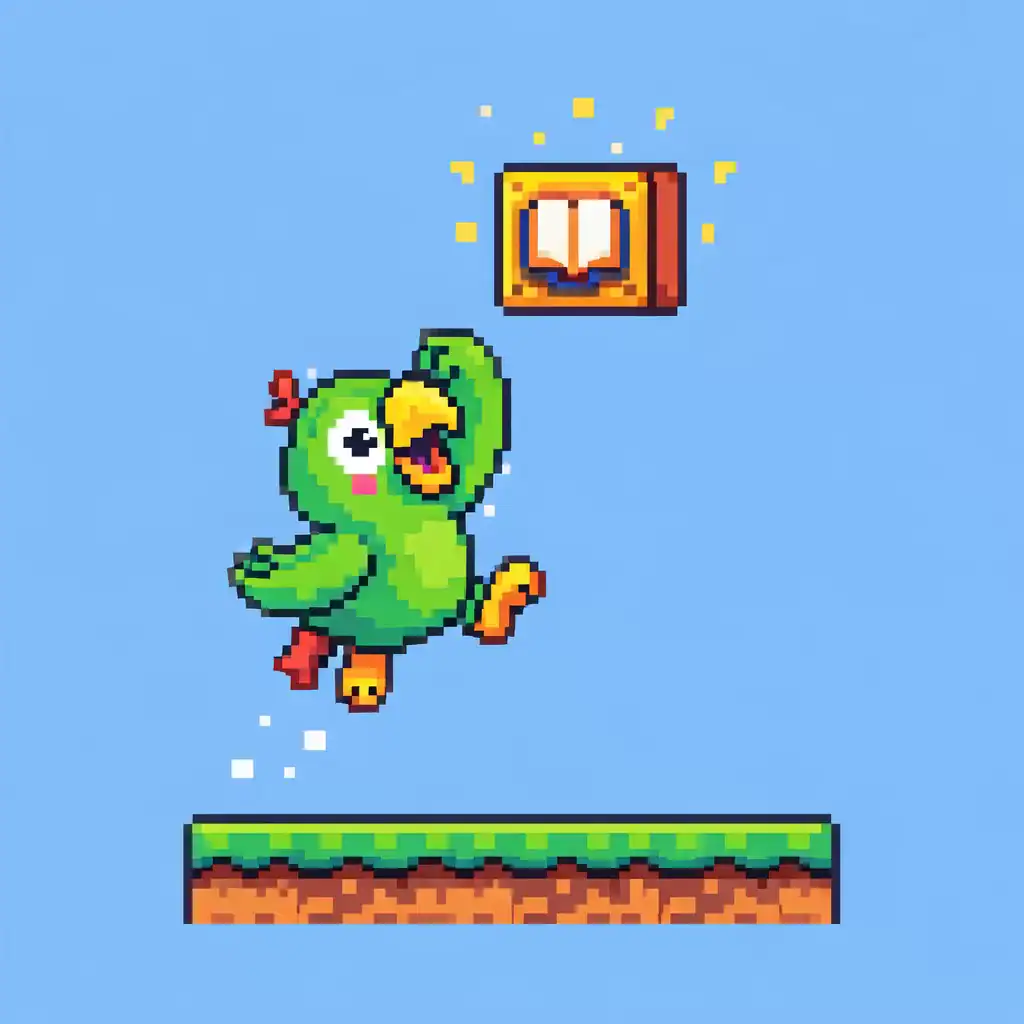
Learning through play is changing the way people study, practice, and retain knowledge. What once felt passive can now become interactive, engaging, and memorable.
This idea may feel modern, but it has deep roots in education and human behavior.
What Is Learning Through Play?
This approach helps people build knowledge through interaction, experimentation, feedback, and challenge.
It is closely related to gamification, which brings elements like progression, rewards, and participation into educational experiences.
Why Humans Have Always Learned Through Games
The idea that play matters in education connects with Homo Ludens, which describes humans as naturally playful.
Games have been valuable in teaching for a long time. Chess helps develop logic, planning, and problem solving. Hangman helps learners practice spelling and vocabulary in a simple and effective way.
This shows that games are not just entertainment. They have long supported attention, repetition, and skill development.
Play in Modern Education
Today, learning through play appears in digital tools that reach millions of learners around the world.
Platforms use systems like levels, streaks, and rewards to keep users engaged and consistent over time.
Why This Approach Works
- Immediate feedback helps learners improve quickly
- Visible progress increases motivation
- Engagement improves retention
- Repetition becomes more natural
Because of this, learning through play supports long term understanding instead of short term memorization.
Language Learning Becomes More Effective
This approach is especially powerful when learning a new language.
Instead of only studying rules, learners interact with content and receive instant feedback.
For example, this Portuguese articles lesson includes a mini game that turns grammar into an active experience.
Engagement Is the Future of Learning
When people enjoy the process, they stay consistent.
This is why Gamified education is becoming more important in modern society.
Even outside of games, engaging formats like music can support this approach. This lesson using music shows how immersive content improves retention.
Conclusion
Learning through play reflects how humans naturally learn best.
From traditional games to modern platforms, the principle remains the same. People learn better when they are engaged in the process.
FAQ
What is learning through play?
Learning through play is an approach that uses interactive activities to make learning more engaging and effective.
Does this approach improve results?
Yes. It increases motivation, engagement, and retention by making learning more active.
What is the difference between this and gamification?
This is a broader concept, while gamification applies specific game elements to learning systems.
Why is it effective for language learning?
Because it encourages practice, provides feedback, and makes repetition more engaging.